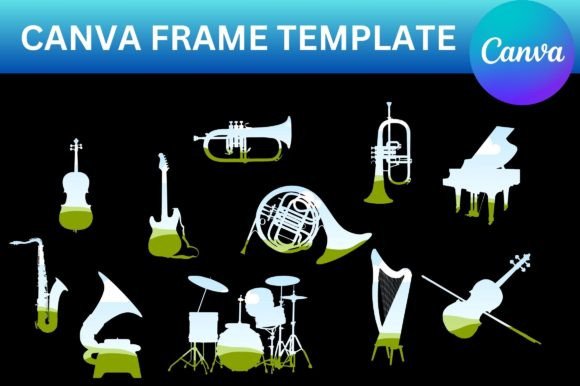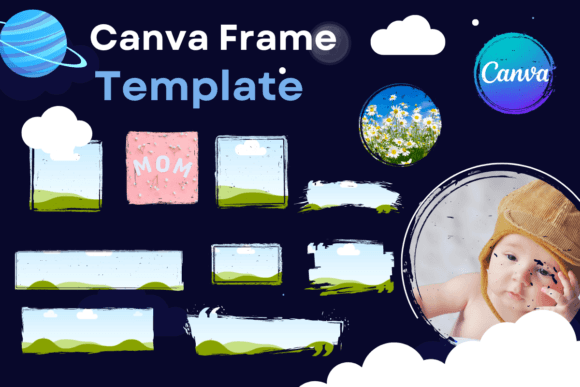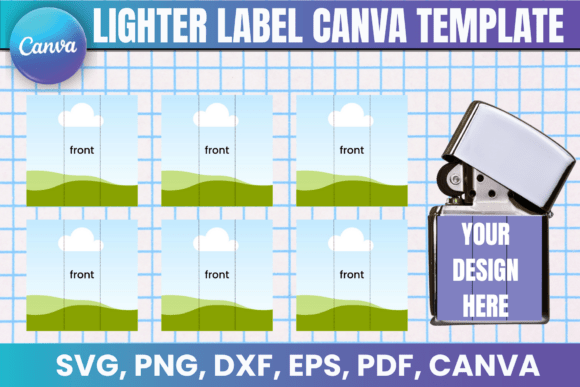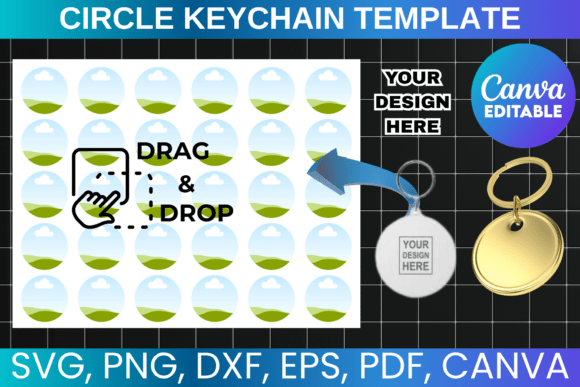
Button Pin Canva Frame Template: Graphics for Brand-Forward Canva Projects
As a brand designer who’s built visual systems for 12+ small businesses—and as a content marketer who’s shipped over 300 campaign assets—I opened the Button Pin Canva Frame Template expecting playful utility. What I found was something more strategic: a subtle but potent graphic design asset that bridges handmade charm and polished marketing visuals. This isn’t just another decorative frame—it’s a deliberate tone-setter.
First Impression: Warm, Intentional, and Audience-Aware
The Button Pin Canva Frame Template lands with quiet confidence—not loud, not cluttered, but undeniably human. Its rounded edges, soft shadow depth, and balanced negative space evoke approachability without sacrificing professionalism. It reads as lifestyle-friendly, ideal for online coaches launching courses, creative entrepreneurs promoting digital products, or small-batch makers showcasing packaging inserts. It leans into warmth and authenticity—never corporate cold, never overly whimsical. That mood directly supports audience trust: viewers subconsciously register care, consistency, and intention behind the visuals.
Where It Elevates Real Marketing Workflows
I tested the Button Pin Canva Frame Template in a live product launch for a sustainable stationery brand—replacing generic Instagram post borders with this frame across Pinterest pins, email banners, and blog graphics. The difference was immediate: stronger visual hierarchy, clearer focus on product photography, and cohesive recognition across touchpoints. Here’s where it consistently delivers:
- Social media graphics: Perfect for Instagram carousels and Pinterest pins—frames elevate flat product shots without competing with text overlays.
- Digital ads & web design: Adds dimension to hero sections and landing page headers while maintaining fast load times (no SVG bloat).
- Printable design & packaging accents: Works beautifully on sticker sheets, thank-you cards, and QR-code inserts—its clean outline scales crisply at 300 DPI.
- Content marketing kits: Bundled into branded Canva templates for clients or course students, it reinforces identity without requiring design skills.
- Editorial design & lead magnets: Gives free PDFs, checklists, and media kits a tactile, “designed” feel—even when built in Canva.
How It Strengthens Core Brand Goals
This graphic design asset quietly advances seven critical branding outcomes. First, it creates a stronger first impression—framed content feels curated, not slapped together. Second, it enforces more consistent branding across teams and freelancers using shared Canva templates. Third, it boosts product presentation: photos placed inside the frame gain instant context and premium weight. Fourth, it builds audience trust by signaling attention to detail. Fifth, it strengthens recognition—repeat use across platforms trains the eye. Sixth, it deepens emotional connection through its gentle, inclusive shape. Seventh, it delivers a professional appearance even when executed by non-designers.
Best Fit: Contexts That Let It Shine
The Button Pin Canva Frame Template excels where visual storytelling meets brand clarity. Use it for:
- Hero graphics and campaign headers (especially seasonal offers or limited editions)
- Product launch visuals—pair with lifestyle photography for instant relatability
- Branded Canva templates distributed to team members or customers
- Social media covers and story highlights that need subtle framing, not heavy decoration
- Packaging accents like hang tags or insert cards
- Content bundles and digital product visuals (e.g., course thumbnails, workbook covers)
- Decorative brand elements that support—not dominate—your core message
Where to Proceed Thoughtfully
This is not a universal tool. Avoid it in formal corporate branding (think law firms or fintech dashboards), dense information layouts (infographics with layered data), or small mobile graphics where the frame’s stroke may overwhelm. It also struggles on low-contrast backgrounds—test rigorously against your brand’s lightest and darkest tones. And if your brand voice is ultra-minimalist (think monochrome, thin fonts, no embellishment), this frame may introduce unintended visual noise. It should never compete with your main message—only cradle it.
Brand Designer Notes You’ll Actually Use
Before rolling this into client work or paid campaigns, run these checks:
- Test it with your full brand color palette—does it hold up on coral, charcoal, and cream?
- Check black-and-white usage: does the frame retain definition in grayscale printouts or accessibility modes?
- Place it inside real campaign mockups—on iPhone screens, desktop headers, and printed flyers—to assess balance.
- Preview on mobile: does the frame’s stroke remain legible at thumbnail size?
- Compare against top 3 competitor visuals—is it distinctive enough to stand out, yet aligned enough to feel on-brand?
- Pair it with serif, sans serif, script, and display fonts—does spacing stay harmonious?
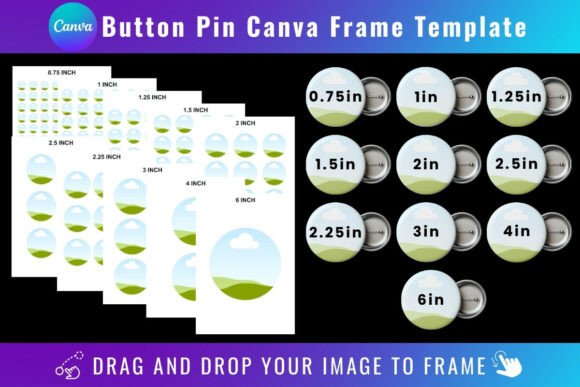
- Confirm commercial licensing: A PDF containing a link to Canva frame templates. Click the link to access them. These templates allow you easily drag and drop PNG or JPG background images into the frames. Important details—A f ensures you’re cleared for client deliverables, digital product visuals, and paid ads.
In short, the Button Pin Canva Frame Template is more than a decorative flourish—it’s a practical lever for visual consistency, emotional resonance, and scalable professional branding. For marketers building campaigns on tight timelines, designers empowering non-designers, and small business owners owning their visual voice, it’s a quietly powerful addition to the modern design toolkit.