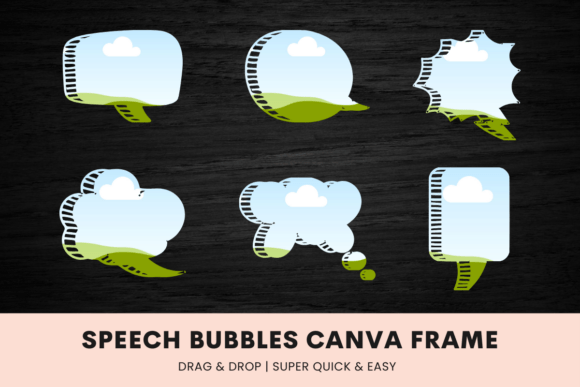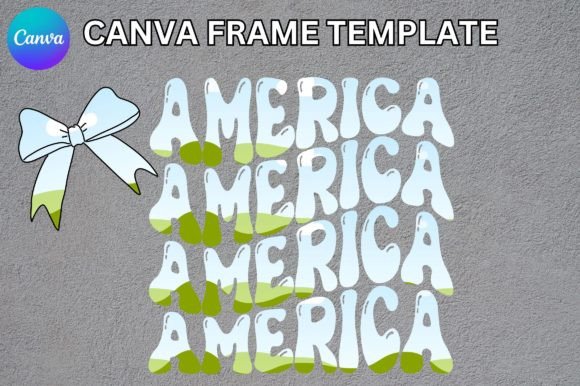
America Coquette Canva Frame Template
First Impressions: A Delicate, Playful Frame That Feels Handmade—Not Digital
Opening the America Coquette Canva Frame Template feels like unrolling a vintage lace sampler—soft curves, subtle asymmetry, and that unmistakable “coquette” charm: flirty but refined, nostalgic but fresh. It’s not a bold emblem or a dense monogram—it’s a frame. A breathing space. Designed for Canva, yes—but what caught my eye immediately wasn’t its drag-and-drop ease. It was how naturally it *invites embroidery*. The scalloped edges, ribbon-like bow at the bottom, and gentle floral flourishes suggest satin stitch curves and light fill stitch centers—not heavy density or sharp vector corners. I pictured it stitched onto a linen tea towel for a bridal shower gift, or centered on a cotton baby onesie with pale pink thread. That’s where this template shines: as a quiet, elevated container—not a statement logo, but a thoughtful accent.
Real-World Use: From Tote Bags to Nursery Decor
Last week, I prepped a custom embroidered tote for a local boutique—cotton canvas, medium-weight, 5” hoop. I dropped the America Coquette Canva Frame Template into my design workflow (after converting it to an embroidery file via trusted vector prep), scaled it to 4.2”, and ran a test stitch. The result? Crisp curves, no skipped stitches in the bow loop, and enough negative space inside the frame to add a simple name or date in a clean script. It worked beautifully on the tote—but also surprised me on a curved surface: a structured cotton cap. With light tear-away stabilizer and reduced top tension, the frame’s open layout handled the crown’s slight dome without distortion. I’ve since used it on sweatshirt pockets (paired with a small embroidered heart inside), pillow covers (where the frame’s softness balanced bolder fabric prints), and even as a base for iron-on patches—its clean outer edge makes cutting and sealing far more forgiving than intricate clipart-style designs.
Where It Fits—and Where It Needs Extra Care
The America Coquette Canva Frame Template isn’t built for every surface. On thin, stretchy fabrics like jersey or lightweight rayon, the open areas can pucker if stabilizer is under-applied—so I always pair it with medium-weight cutaway + topping for those. Tiny hoop sizes (<3”) compress the bow and soften detail; I’d skip it below 3.5” unless simplifying manually. Dark fabrics demand careful thread choice—the delicate inner flourishes vanish in navy or charcoal unless you use high-contrast thread (ecru on black, white on navy) or add a light underlay. And while it reads beautifully on flat, smooth surfaces (linen, quilting cotton, twill), avoid layering it over seams, zippers, or heavily textured weaves like bouclé—those details get lost in the grain.
What It Adds to Your Finished Product—Beyond Pretty
This isn’t just decoration. Used well, the America Coquette Canva Frame Template elevates perceived value. Customers notice the intention behind a framed monogram versus a floating font—they read it as *curated*, not rushed. For Etsy sellers, it adds instant cohesion to listings: same frame around different names, dates, or tiny icons builds brand rhythm across baby embroidery, holiday gifts, and personalized kitchen towels. For craft fairs, it helps your booth feel unified—even when each item is unique. And because it’s inherently scalable and adaptable, it supports both personalization (a child’s name tucked inside) and commercial embroidery (as a consistent element across a boutique’s staff aprons or café napkin sets). It doesn’t shout. It reassures.
Practical Notes Every Embroidery Designer Should Check First
- Test on scrap fabric first—especially if stitching on textured or dark material. See how the bow holds up at your machine’s default density.
- Review thread color contrast before finalizing. Pale pastels look lovely, but they fade on off-white linen—try a tone-on-tone approach or add a subtle outline stitch.
- Confirm hoop size compatibility. The template scales easily in Canva, but embroidery software may require manual adjustment—don’t assume 100% scaling transfers cleanly.
- Inspect small details in black-and-white mockups. What looks elegant on screen can blur when stitched at 3” tall—zoom in on the bow knot and inner leaf swirls.
- Use proper stabilizer: medium cutaway for stable fabrics, tear-away + topping for knits or delicate weaves.
- Verify licensing before selling finished items or digital products. Since this is delivered as a Canva link in a PDF, confirm whether commercial use of the *embroidered output* is permitted—or if attribution or resale restrictions apply.
Final Thought: A Frame That Respects the Craft
As someone who’s stitched hundreds of frames—from rigid geometric borders to overworked floral wreaths—I appreciate how the America Coquette Canva Frame Template trusts the maker. It doesn’t try to do everything. It leaves room—for your thread choice, your fabric’s character, your client’s story. It’s not flashy. It’s functional poetry. Use it on a baby blanket, and it whispers tenderness. Stitch it on a chef’s apron, and it adds wit without clutter. That balance—between structure and softness, simplicity and personality—is rare. If you’re building a craft business, launching an Etsy shop, or simply want your handmade product to feel intentional, not incidental, this frame earns its place in your design assets. Just remember: let the fabric speak, choose your thread like you mean it, and always, always test first.