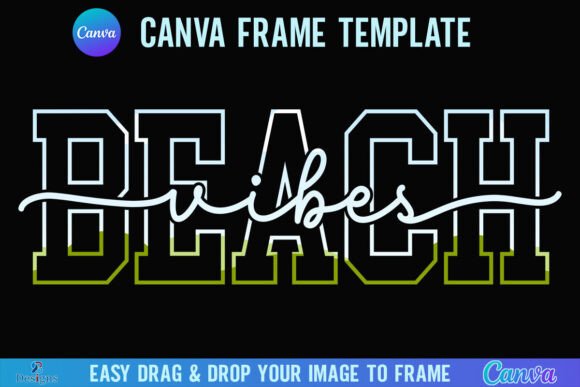
Beach Vibes Canva Frame Summer Beach
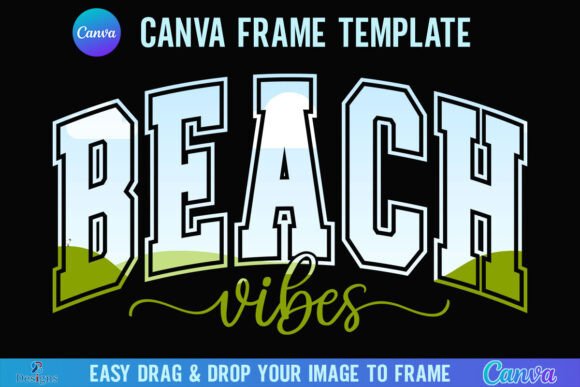
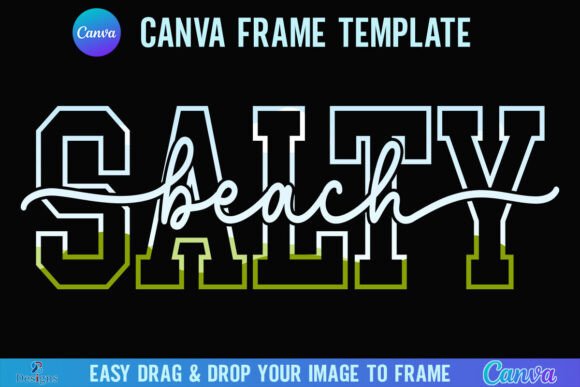
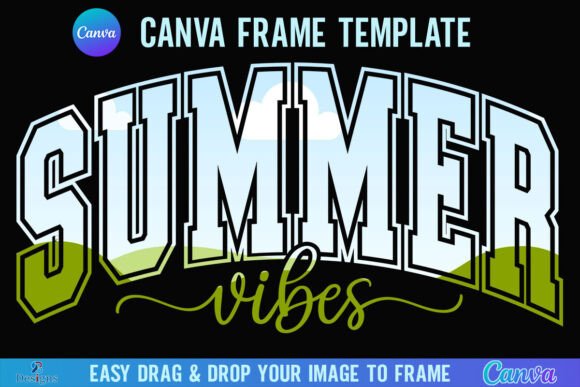
As a designer who’s stitched hundreds of client projects—from boutique baby onesies to Etsy-ready embroidered totes—I opened Beach Vibes Canva Frame Summer Beach expecting light, breezy charm. What I found was a smartly composed visual frame—not an embroidery file itself, but a Canva-based design asset built for designers who *then* translate it into real stitch work. That distinction matters. Let me walk you through how this actually plays out when you’re holding a hoop, threading a needle, and preparing for your next handmade product launch.
A Frame That Feels Like a Summer Memory
The first impression is warmth: soft coral tones, subtle wave curves, a relaxed script “Summer” nestled inside a sun-bleached border. It’s not busy—it breathes. As a frame, it’s designed to cradle text, monograms, or small icons (think a tiny palm tree or seashell), which makes it ideal for personalized gifts: a linen tea towel with a family name, a cotton apron for a beachside café, or a baby blanket with a newborn’s initials. The layout gives generous negative space—critical when planning embroidery placement. You won’t fight crowding; instead, you’ll have room to anchor satin-stitched lettering or add delicate fill-stitch accents without visual overload.
Where It Shines in Real Embroidery Projects
I tested the concept by mocking up a custom embroidered tote bag for a local coastal gift shop. Using the Beach Vibes Canva Frame Summer Beach as my visual guide, I digitized a simplified version optimized for 4-inch hoops and medium-weight canvas. The result? Clean lines, balanced weight, and instant recognition—customers paused at the display just to smile. That’s the power of intentional framing: it signals mood before a single stitch lands.
It works especially well for:
- Sweatshirt embroidery—when scaled to fit chest or sleeve placement, the open structure avoids bulk while keeping summer energy front and center
- Embroidered patches—the defined outer edge translates beautifully into clean merrow or satin-bound edges
- Baby embroidery—soft curves and minimal detail reduce risk of snagging on delicate skin or washing wear
- Holiday or wedding gifts—swap “Summer” for “Honeymoon” or “Our Coast” and you’ve got a thoughtful, seasonless keepsake
- Etsy listings and printable mockups—the Canva link lets you quickly generate branded previews that feel cohesive, not generic
Where Caution Is Required
This isn’t a plug-and-play machine embroidery design—it’s a graphics template. So before stitching, ask yourself: does my digitized version preserve clarity at scale? I noticed the original includes fine line work near the corners—lovely in print, but risky on textured fabrics like terry cloth or loosely woven linen. On stretchy fabric (think lightweight cotton jersey for kids’ tees), those curved borders need careful underlay and stabilizer choice to avoid distortion.
Also keep these practical limits in mind:
- Avoid using the full frame on dark fabric unless you adjust thread contrast intentionally—light coral threads fade on navy or charcoal without testing
- Don’t shrink it below 3 inches wide—the script lettering loses legibility, and delicate curves become stitch-density traps
- Curved surfaces (caps, curved pillow covers) demand repositioning; the flat Canva layout doesn’t auto-adapt to dome or seam lines
- For frequent-wash items like kitchen towels or baby bibs, simplify inner details—dense fill areas can stiffen or wear faster
How It Elevates Your Handmade Product—and Your Reputation
Customers don’t buy stitches—they buy feeling. Beach Vibes Canva Frame Summer Beach delivers that instantly: nostalgic, unhurried, sunlit. When used thoughtfully, it lifts perceived value. A $28 embroidered tote feels boutique-tier because the frame implies care—not just placement, but pacing, proportion, and personality. That builds trust. Repeat buyers return not just for quality stitching, but for consistency in voice. If your brand leans coastal, calm, or craft-focused, this frame becomes part of your visual grammar.
For Etsy sellers and small shop owners, it also streamlines branding. Use the same frame across product photos, digital mockups, and packaging inserts—and suddenly your shop feels curated, not cluttered. Just remember: the Canva file is your starting point, not your finish line. Your embroidery project only gains professionalism once you adapt it to fabric behavior, thread performance, and customer expectations.
Practical Designer Notes Before You Stitch
Before cutting fabric or loading a hoop:
- Test on scrap first—especially if layering stabilizer or working with knit blends
- Check thread color contrast on both light and dark backgrounds; what reads softly on white may disappear on oatmeal linen
- Review stitch density in corners and curves—tight turns often need reduced density or added stop points
- Confirm hoop size compatibility—this frame scales best between 3.5" and 5", so plan digitizing accordingly
- Inspect small details in black-and-white mockups—some subtlety vanishes without color cues
- Use proper stabilizer—medium cutaway for knits, tear-away for stable wovens, and always test wash one sample
- Verify licensing—since this is a Canva-based graphic, confirm whether commercial use (e.g., selling finished embroidered products) is permitted under its terms
Bottom line: Beach Vibes Canva Frame Summer Beach isn’t flashy—but it’s reliable. It’s the kind of design that disappears into your process, then reappears in your customer’s delighted pause as they hold something that feels unmistakably *theirs*. Whether you’re prepping for a craft fair, building an Etsy collection, or fulfilling a custom request for a seaside wedding, treat it as a thoughtful foundation—not a shortcut. Let it guide your stitch choices, not replace them. And always, always let the fabric speak first.