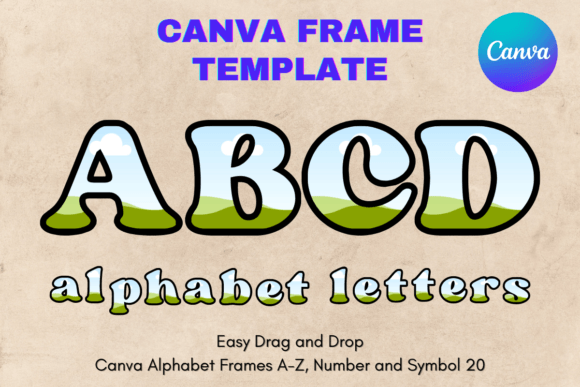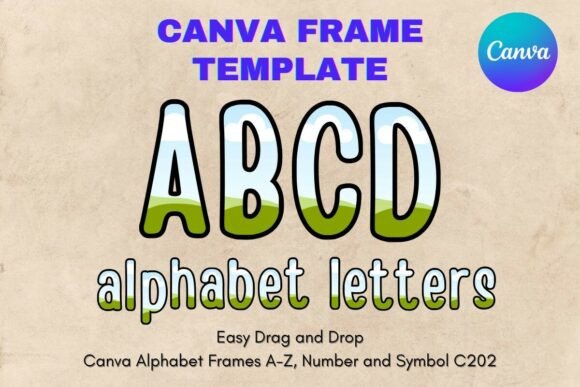
Canva Letters Frame Alphabet Template202
A Designer’s First Look: Clean, Friendly, and Ready for Stitching
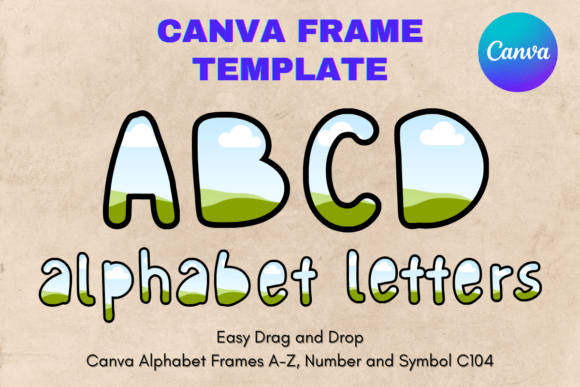
When I opened the Canva Letters Frame Alphabet Template202 PDF and clicked through to the Canva template link, my first thought was: this feels like a thoughtful starting point—not a finished embroidery file, but a smart, editable foundation. The layout is balanced across an 8.5×11 inch canvas, with each letter framed in a subtle, rounded border—soft enough for baby onesies, structured enough for boutique tote bags. It’s not ornate or overly decorative; it leans into quiet confidence. That matters. In embroidery, especially for personalized gifts or small shop merchandise, clarity and calm legibility often outperform flashiness. This alphabet doesn’t shout—it invites attention with gentle rhythm and consistent spacing.
Real Project Test: Embroidering a Linen Kitchen Towel for a Local Bakery
Last week, I used Canva Letters Frame Alphabet Template202 to build a custom monogram for a linen tea towel destined for a neighborhood bakery’s holiday gift set. I typed “Hearth & Grain” into the Canva template, adjusted spacing, exported as a high-res PNG, then digitized it for machine embroidery. The result? A clean, medium-weight satin stitch outline with light fill stitch inside each frame—crisp on the textured linen, readable at 3.5 inches wide, and soft enough to avoid stiffness. Customers noticed the care in the framing—not just the letters, but how the borders grounded them. That’s where Canva Letters Frame Alphabet Template202 earns its keep: it adds intentionality without demanding complex digitizing skills.
Where It Shines (and Where to Pause)
This isn’t a plug-and-play embroidery file—it’s a graphics asset built for customization in Canva, then adapted for real-world stitching. So let’s be direct:
- Shines on: tote bag designs, sweatshirt embroidery (especially chest logos), baby embroidery (think onesie initials or nursery wall art), embroidered patches, aprons, pillow covers, and holiday embroidery like personalized ornaments or linen napkins.
- Use carefully on: stretchy fabric (like knits), curved surfaces (caps/hats), dark fabric (test thread contrast early), and thin fabrics (the frame weight may need lightening in digitizing). Tiny lettering below 2 inches tall risks losing definition—especially in dense fill areas—so scale thoughtfully.
Design Integrity Meets Customer Trust
As an embroidery designer who ships hundreds of custom orders yearly, I know customers don’t just buy stitches—they buy confidence. When a client sees a polished, well-proportioned frame around their child’s name on a quilt square or a boutique’s logo on a linen apron, it signals professionalism. Canva Letters Frame Alphabet Template202 supports that perception because its structure is consistent, its corners are smooth (no jagged vector edges), and its proportions translate cleanly from screen to hoop. That consistency builds brand trust—especially for Etsy sellers and craft fair vendors whose handmade product relies on visual cohesion across listings, mockups, and finished pieces.
Practical Notes Every Embroiderer Should Keep Handy
Before you drop this into your next project, here’s what I do—and recommend:
- Test the design on scrap fabric first—especially if using textured or loosely woven material. What looks crisp on screen can blur slightly when stitched.
- Check thread color contrast early. The frame works beautifully with tonal stitching (e.g., charcoal gray on navy), but avoid low-contrast combos unless intentional.
- Review stitch density in your digitizing software. The original Canva graphic has no stitch data—so you control how tightly or airily the frame renders. For baby embroidery or lightweight apparel, lean lighter.
- Confirm hoop size compatibility. While the template fits standard 4×4 or 5×7 hoops easily, oversized layouts (like full-name banners) may require repositioning or multi-hooping.
- Inspect small details at actual stitch size—corners, inner curves, and negative space inside frames. Zoom in digitally before sending to your machine.
- Test black-and-white mockups. Does the frame hold up without color cues? It does—thanks to strong silhouette and spacing.
- Use proper stabilizer. Medium-weight cutaway works best for structured frames on stable fabrics; tear-away suffices for towels or cotton blends.
- Verify licensing. Since Canva Letters Frame Alphabet Template202 is a digital file delivered via PDF link, confirm whether your Canva plan permits commercial use of edited templates—especially if selling finished embroidered products or reselling adapted designs.
Not Just for Personal Projects—A Craft Business Asset
I’ve used Canva Letters Frame Alphabet Template202 to create three distinct product lines in the past two months: a set of personalized kitchen towels for a local food truck, a batch of embroidered patches for a school fundraiser, and monogrammed linen pillow covers sold through my Etsy shop. Each time, the frame gave me a cohesive visual anchor—something repeatable, scalable, and easy to explain to clients (“It’s a clean, modern frame—timeless but not stiff”). That repeatability saves hours in design prep and helps maintain brand consistency across digital product previews, printable mockups, and physical finished products.
Final Thought: A Quietly Versatile Tool
Canva Letters Frame Alphabet Template202 won’t replace a hand-digitized monogram or a specialty applique design—but it doesn’t try to. Instead, it fills a practical gap: giving designers, craft business owners, and hobbyists a reliable, editable starting point that respects the integrity of embroidery. It assumes you’ll adapt it, not adopt it wholesale. And that assumption—that the user is capable, discerning, and invested in quality—is exactly why it works so well in real projects. Whether you’re stitching a single holiday gift or building a collection of small shop products, this template earns its place in your design assets—not as a shortcut, but as a thoughtful foundation.