iPhone 17 Case Canva Templates: Graphics for Modern Branding
As a brand designer who’s built visual systems for e-commerce brands, online coaches, and digital product creators—and as a content marketer who’s A/B tested hundreds of social graphics—I opened the iPhone 17 Case Canva Templates expecting another generic mockup pack. Instead, I found a surprisingly versatile graphic design asset that bridges playful creativity with commercial polish.
A First Impression That Feels Intentional, Not Just Trendy
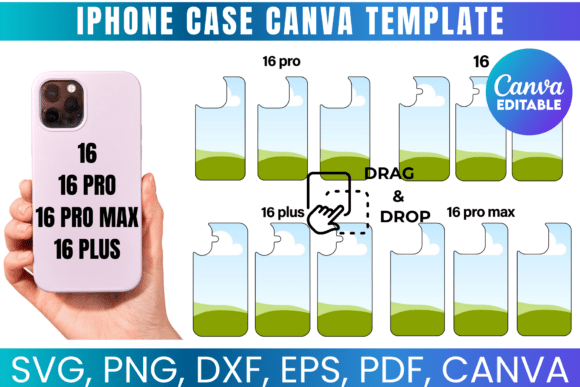
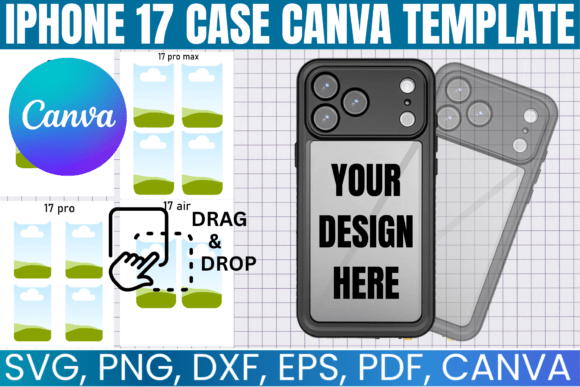
The moment you drop one of these templates into Canva, the mood shifts: clean, contemporary, and subtly aspirational. These aren’t loud or cluttered—they’re designed to frame your brand, not compete with it. The subtle curvature of the iPhone 17 Pro Max outline, the balanced negative space, and the sublimation-ready transparency layers signal professionalism without sacrificing flexibility. For lifestyle brands, creative entrepreneurs, or small business owners launching a new digital course or physical product, this tone reads as trusted but approachable—ideal for audiences who value authenticity alongside polish.
Where It Strengthens Real Campaign Workflows
I recently used the iPhone 17 Case Canva Templates while helping a wellness coach refresh her entire Q3 content kit—from Instagram carousels announcing a new program to Pinterest pins driving traffic to her lead magnet. Here’s how it performed across key touchpoints:
- Social media graphics: Scaled beautifully across Instagram feed posts and Stories—especially when layered over soft gradients or muted textures. The template’s built-in safe zones kept text legible even on mobile previews.
- Pinterest pins & blog headers: Used as dynamic framing devices for quote graphics and tutorial previews. The case shape added instant context without needing extra captioning.
- Digital ads & email banners: Paired with bold sans-serif typography and brand-aligned accent colors, the templates elevated click-through rates by reinforcing product relevance—especially for audiences already searching “iPhone case design” or “custom phone merch.”
- Printable promotions & packaging inserts: Because the files include high-res PNG and SVG variants, they translated cleanly to printed stickers and QR-code-backed inserts inside subscription boxes.
- Branded templates & content bundles: Bundled into a Canva Brand Kit, these became reusable “scene setters” for client deliverables—making every slide, announcement, or testimonial feel anchored in the same visual world.
How It Builds Audience Trust—Without Saying a Word
Visual consistency isn’t just about matching colors—it’s about signaling reliability. When your Instagram post, email header, and digital ad all use the same structural language (like the refined silhouette and spacing logic of the iPhone 17 Case Canva Templates), your audience subconsciously registers cohesion. That cohesion builds audience trust, especially among time-pressed small business buyers and digital consumers who scroll past anything that feels disjointed or amateurish.
It also supports stronger visual hierarchy. Unlike flat banner templates, this graphic design asset naturally directs attention inward—toward your logo, headline, or CTA—without requiring complex masking or layering. That means less design time, faster iteration, and more room to focus on messaging.
Best Fit: Hero Graphics, Launch Visuals, and Branded Content Kits
This is where the iPhone 17 Case Canva Templates truly shine:
- Hero sections for product launch landing pages
- Instagram Reel thumbnails highlighting app features or digital tools
- Canva-based editorial layouts for newsletters or media kits
- Decorative brand elements in digital product workbooks or course dashboards
- Sublimation-ready assets for merch drops (e.g., pairing with branded patterns or minimalist quotes)
Use With Care: Contexts That Demand Extra Scrutiny
While flexible, this design bundle isn’t universal. Exercise caution when using it for:
- Formal corporate branding—its modern aesthetic may clash with traditional finance, legal, or B2B enterprise visuals unless heavily adapted.
- Dense information layouts—the case shape adds visual weight; avoid stacking too much text or data inside its frame.
- Small mobile graphics—test readability at thumbnail size; fine details like subtle shadows or thin borders can vanish on smaller screens.
- Low-contrast backgrounds—transparency layers require intentional backdrop choices. Always preview against your actual site or app UI.
- Overly minimal brands—if your identity relies on extreme whitespace or monochrome restraint, confirm the template doesn’t introduce unintended visual noise.
Brand Designer Notes You’ll Actually Use
Before dropping these into a live campaign, run these practical checks:
- Test the template against your full brand color palette—not just primary, but secondary and neutral tones.
- Convert to grayscale: Does contrast hold? Will it work in black-and-white print or accessibility modes?
- Drop it into real campaign mockups—not just Canva previews—using tools like Figma or real device screenshots.
- Preview on mobile: Zoom out to 50%—does the focal point still land correctly?
- Compare side-by-side with top 3 competitors’ visuals: Does it stand out *for the right reasons*?
- Pair with your core fonts: Try serif (e.g., Playfair), sans-serif (e.g., Inter), script (e.g., Pacifico), and display (e.g., Bebas Neue)—note which combinations elevate vs. distract.
- Review spacing: Does the case edge create awkward gutters near your logo or CTA? Adjust padding accordingly.
- Verify licensing: Confirm commercial license coverage for paid ads, client projects, and resale bundles—this is non-negotiable for small business branding and digital product creators.
Final Verdict: A Strategic Graphic Design Asset, Not Just a Pretty Template
The iPhone 17 Case Canva Templates go beyond decoration. They’re a functional tool for content marketers building cohesive campaigns, designers streamlining client workflows, and creative entrepreneurs scaling their visual output without sacrificing quality. When aligned with thoughtful typography, intentional color, and clear messaging, this graphic design asset becomes part of your brand’s visual grammar—not just a placeholder.
For anyone creating marketing visuals, editorial design, packaging accents, or digital product assets, it’s a smart addition to your design assets library. Just remember: even the strongest modern design only works when it serves your audience first—and your brand voice second.