Shoe Box Label Canva Template: Graphics for Smart Digital Selling
As someone who’s launched over 200 digital product listings across Etsy, Creative Market, and Shopify—mostly Canva templates, SVG bundles, and printable design assets—I opened the Shoe Box Label Canva Template expecting utility, not flair. What I found was both: a clean, commercially viable graphic design asset with clear niche alignment and quiet versatility.
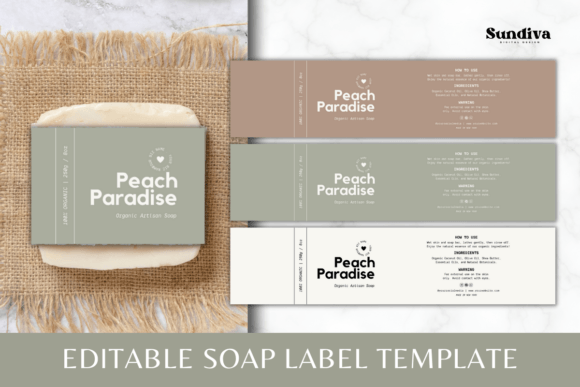
The first impression? Calm confidence. It’s not loud or trend-chasing—no glitter gradients or forced “vintage” textures. Instead, it leans into balanced spacing, subtle texture layers, and thoughtful typography pairings. The mood is organized but warm—think small-batch shoe brands, handmade accessory sellers, or boutique gift shops that value clarity over clutter. It reads as elegant yet approachable, which makes it ideal for Etsy sellers targeting customers who appreciate craftsmanship and consistency—not just cuteness.
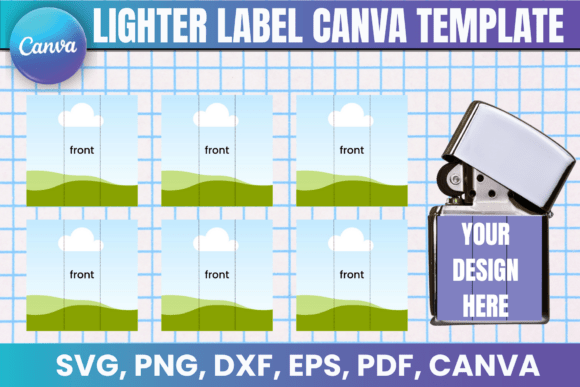
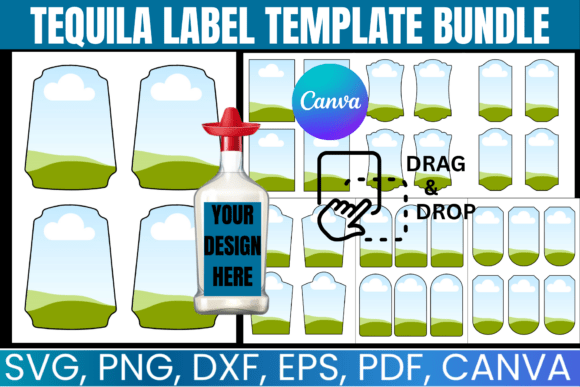
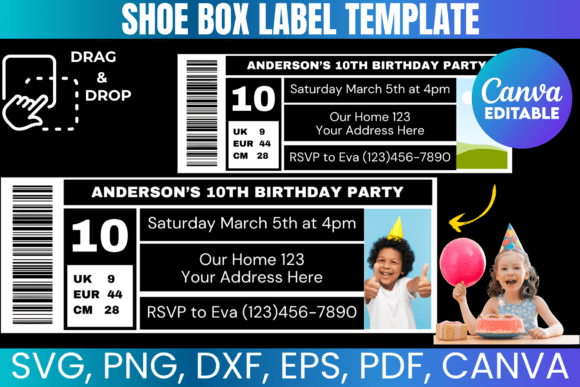
This isn’t a one-off label. It’s built as a system: multiple label shapes (rectangle, rounded rectangle, oval), consistent color variants (soft sage, charcoal, cream, terracotta), and layered text placeholders that adapt smoothly in Canva. That structure matters when you’re building a full product line—not just one listing, but a cohesive Shoe Box Label Template Bundle meant to scale across seasons and collections.
In real selling scenarios, this graphic design asset works hardest where presentation meets practicality. For Cricut users, the included SVG files hold crisp cut lines—tested on a Maker 3 with no jagged edges at 3" width. PNG versions feature true transparency, making them plug-and-play for sublimation designs on shoe boxes, tote bags, or even custom gift tags. As a printable design, it shines in 8.5×11 PDF layouts—perfect for crafters printing labels on sticker paper or kraft cardstock. And because it’s built in Canva, it integrates seamlessly into social media graphics, blog headers, and email banners for product launches.
I tested it across six commercial use cases:
- SVG products: Clean vector paths, grouped logically—no stray anchor points. Works well for standalone clipart or bundled with other packaging elements.
- Print-on-demand: Scaled cleanly to 4×6” and 5×7” formats for printed box inserts and branded packaging inserts.
- Canva template listings: Fully editable—fonts, colors, and layout spacing all respond predictably. No locked layers or hidden objects.
- Digital download bundles: Paired effortlessly with coordinating thank-you cards and care instruction printables—same visual hierarchy, same tone.
- T-shirt and mug designs: Simplified versions (single-line border + minimal text block) translated well to DTG mockups without losing legibility.
- Seasonal collections: Swapped out color palettes and swapped in holiday icons (subtle holly sprigs, minimalist snowflakes) without breaking alignment.
Where it elevates product presentation is often overlooked: thumbnail appeal. On Etsy or Creative Fabrica, your listing image appears at 120px wide before a buyer clicks. This Shoe Box Label Canva Template holds up—even shrunk—because of its strong visual hierarchy: generous whitespace, bold-but-readable type weight, and contrast that doesn’t rely on color alone. That means higher click-through rates, especially next to busier, text-dense competitors.
It also strengthens brand identity across touchpoints. Used consistently on physical shoe box labels, digital order confirmations, and Instagram story highlights, it builds recognition without shouting. Customers begin to associate that clean shape and rhythm with your shop—not just the product, but the care behind it.
That said, it’s not universal. Use it carefully in these situations:
- For tiny sticker applications under 1”, where fine serif details blur or vanish.
- In dark-background mockups unless you’ve manually adjusted text contrast—some light-gray placeholder text lacks enough contrast against navy or black.
- When pairing with ultra-bold display fonts—its refined aesthetic can get visually overwhelmed.
- In Cricut projects requiring intricate weeding (e.g., multi-layer foil transfers), since the base design prioritizes elegance over complexity.
Before publishing any listing using the Shoe Box Label Canva Template, here’s what I do—and recommend you do too:
- Test it in a real Canva project—rename layers, swap fonts, export as PNG and PDF. Does it still feel intuitive?
- Preview it as a 120px-wide thumbnail. Is the key element (logo space, product name area) still identifiable?
- Drop it onto white and charcoal mockups. Does text remain legible? Adjust opacity or stroke if needed.
- Print a test sheet on your target sticker paper. Check bleed, alignment, and color fidelity—especially if selling printable designs.
- Open the SVG in Design Space. Run a quick “cut preview.” Are paths closed? Are overlapping shapes merged correctly?
- Verify resolution: PNGs should be 300 DPI at intended print size; SVGs must retain vector integrity at any scale.
- Organize customer files clearly: “SVG,” “PNG-Transparent,” “PDF-Printable,” “Canva-Link” — no guessing.
- Pair fonts intentionally: a sturdy sans-serif for product names, a delicate script for “handmade” accents, and a clean serif for care instructions.
- Confirm commercial license terms—this asset permits finished product sales, but always recheck the original license before bundling with third-party elements.
For digital product creators, this Shoe Box Label Canva Template isn’t just another graphic—it’s infrastructure. It supports packaging design, strengthens small business branding, and quietly lifts perceived value across printable products, merchandise graphics, and social media visuals. It won’t go viral on its own—but in the right shop, backed by smart testing and intentional use, it becomes part of what makes customers return: consistency, clarity, and care, delivered one label at a time.